Tuesday, 26 August 2014

Losing Fat

At the peak of summer it’s prime time to be shredded. Get those abs showing or just be able to wear clothes that are somewhat comfortable without showing off the layer of fat you might have accumulated during the colder months where you could hide it all behind a few layers of clothing. So let’s hit the gym and jump on the treadmill, go on a new diet and hope to see some results.

Most people will mindlessly do this without actually knowing what they are trying to achieve and they can mess things up pretty bad or experience either no significant fat loss or some pretty slow results which aren’t worth their effort. Some have a rough idea of what they are trying to do but do too much at once and results slow to a frustratingly slow pace and you’re left with confusion and often giving up.


In this article I’ll try and explain what has worked best for me and how things may differ for people with different fat loss goals. That is, people who are just worried about losing fat or people who are trying to hold on to as much muscle as possible whilst losing fat. The latter is the harder and more complex of the two and it’s usually individuals who have been trying to bulk up leading up to summer that are faced with this task. It does take a lot more effort and is a tough challenge to hold on to all the muscle you've built since your last cut but it’s a lot more impressive when done properly.

What is fat?


Fat, apart from being a macronutrient, is an energy store. In fact, fat is the body’s most efficient energy store with a caloric value of 9kcal per gram of fat. It is easily stored in the form adipose tissue and is there as a vital survival tool that provides a source of energy in times where you may not have eaten for a while. This survival need isn’t as important now as it was thousands of years ago for humans. Now, unless you make a sustained effort to reduce your body fat stores they’ll probably stay there or grow larger seeing as you’re not likely to be short of food anytime soon.

The build-up of fat stores signals that you are consuming more energy than you are expending. Going back to the basics we need to look at this from a simple equation of energy balance.

To be alive your body uses energy i.e. you burn calories. Even to sit there and do nothing all day your body is burning calories, because there’s always something going on, even if you aren’t consciously aware of it or if you can’t see it happening. Now let’s add on the calories you need to carry out your daily tasks such as walking up the stairs, brushing your teeth, walking to your car, driving your car. All these activities burn calories. If you’re following a regular workout routine the energy requirement goes up further. How do you fulfil these energy requirements? Through the food you eat.

If you are burning 2200 calories on a daily basis and you are consuming 2200 calories on a daily basis, theoretically your weight will not change. You will be eating at maintenance. In order to drop fat you’ll need to be in a caloric deficit. To be in a deficit you need to be eating fewer calories than you are burning and when you create this caloric deficit your body turns to stores of energy which includes body fat hence a reduction in body fat.  

Fat is accumulated when you are in a caloric surplus, which is when you are consuming more calories than you are burning. When your body has enough calories to complete all tasks and has spare left over it puts these away in fat stores for later use. Whether they are used is up to!

The equations below should help sum up what I’ve just explained.

Calories In – Calories Out < 0 you have put your body in a fat burning environment.
Calories in – Calories Out > 0 you have put your body in a fat storing environment.

Please note this is a very simplified version of events. VERY simplified. So simple that you should be able to learn and manipulate it and get some sort of fat loss results.

So what can you do to reduce your body fat?

You have two main tools in your arsenal (no, not Ozil and Alexis). The first is eating less or reducing the ‘Calories In’ part of the equation above. The second thing you can do is increase your activity levels which would be increasing the ‘Calories Out’ part of the equation. Both of these will help bring the equation to equal less than 0 meaning that your body needs to turn to stored energy. Often people will do both in an attempt to speed up the process. Note I say attempt. Often this overkill leads to a failed attempt. I’ve overkilled and failed and tried harder and failed harder.

How should you approach your fat loss goals?

Timing it Right


The approach one takes to lose fat depends a lot on how much fat they hold and how much they want to lose. But for most people they will want to trim down the extra few pounds of fat anywhere around 10lbs of fat is quite an achievable target in an 8-12 week period.


Its all an illusion! Weighing around 90kg around 2 weeks into my cut on the left, weighing 85kg on the right 10 weeks down the line. Around a 10lb drop in bodyweight, most of which was fat.

For someone who is looking to hold onto as much muscle as possible during the fat loss period it is important to start transitioning to a fat loss phase with enough time before you want to be in your final form. Starting at the beginning of summer would mean you’re going to be in shape by around mid-late summer which is a bit late for most people. Starting around 8/12 weeks before you want to be in shape is probably around a good time to give yourself a good chance to hold onto most of the hard earned muscle you have built. Again this does depend a lot on the individual and how much fat they want to lose .

The importance of timing it right is mainly because of impatience leading to drastic measures. People who are not happy with the consistent slow loss of fat will begin to drop calories at a greater rate causing a larger caloric deficit while adding more cardio or longer workouts to go with this. This can lead to muscle loss which is not what you want. Even for people who are looking to lose fat without the worry of losing muscle mass it is important to stick will slow and steady results.

For people who aren’t as concerned about losing muscle mass I would think that you can keep dieting slowly as long as you still see results. The approach would be somewhat different and dieting decisions would be determined more by the way you feel and when you are happy with the results rather than looking at weight on the scale and being more concerned with body fat percentages. 


Nevertheless, it would be important to have a time frame in mind and have a set target milestone along with mini milestones along the route. The reason I say this even though they can be relatively more aggressive as they are not worried about losing muscle mass in the process, it still takes the body time to adapt to changes in diet and training so that it can keep using fat as the preferred energy source at an efficient pace.

I haven’t really had the aim of losing just body fat without maintaining muscle mass and when I did try to attempt this for a brief period I didn’t know what I was doing so I basically did what most people do and what most people advised me to do. Eat less, stay away from carbs (especially at night), do a lot of cardio and make sure it’s a torturous process. This is never going to be a maintainable way to keep the body you want and will result in you packing the fat back on after falling off track from this extreme diet.

Changes in Diet and adding Cardio

Now to lose fat you need to put yourself in a caloric deficit as explained earlier. To do this you need to know what your maintenance calories are. For someone who is regularly tracking their eating this will be something that they have a rough idea of. For those that don’t regularly track their eating it can be a bit trickier but the best way I have found in helping people understand their maintenance levels in by telling them to start tracking without changing their regular eating. Once they have tracked for a couple of weeks we know what they’re average weekly caloric intake is and we can use these figures along with their average weekly weight to determine whether they are in a caloric surplus, deficit or if they are consuming at their maintenance caloric level. Obviously we are making some assumptions here such as the activity level of these individuals and eating habits have not changed dramatically and they have been following more or less the same routine for these tracking weeks.

Now we can make a rough estimate on what this persons maintenance levels are from seeing how much their weight was changing and how many calories they were eating. So from maintenance we need to drop calories to start the weight loss process.

How many calories do you need to cut out?

Theoretically, one lb of fat has an energy value of roughly 3500 calories so to lose a lb of fat a week you need to be in a caloric deficit of 3500 calories a week or 500 calories a day. Once you know your maintenance calories you can deduct 500 calories from this and you’re left with your target calories for losing a lb a week.


Once you’ve started eating at this level you should experience some changes in weight as check your average weekly weight. As long as you are losing weight at a good rate you should stay at this level of calories until things start slowing down. At this point you can further reduce calories or increase activity levels through adding cardio sessions.

There is a lot of debate about whether cardio is essential to reducing your body fat and the simple answer which you’ve probably gathered by now is, no. Cardio is not essential but being in an energy/caloric deficit is. However, cardio can still be a very effective tool if used properly and different forms of cardio are more effective for people with different goals and preferences.

It is important for each individual to understand the way they respond to different changes and how their body responds to different drops in calories and additional cardio. Also constantly checking progress according to personal targets is important when deciding how changes should be made but more importantly it is crucial to set realistic goals in the first place. This is where most people can get confused and start losing track of how to change things when their bodies begin adapting to the lower calories or increased activity.

Obviously there are many things which haven’t been looked at in detail here such as macronutrient composition of your diet once you know your calorie target and how you should divide your efforts between dropping calories and adding cardio and how much should each effort contribute towards fat loss goals. Also there is a lot more to be said on how someone who is looking to maintain their muscle while losing fat can use different dieting strategies and techniques to help speed up the process and get past difficult sticking points which are usually different for each individual depending on their set-point. 

People with different somatotypes will need to approach fat loss in different ways including how long they can stay in a caloric deficit while minimising muscle loss. Somatotypes are basically different body types and usually people have a basic idea of which type they fall under. Some are prone to fat gain while others may find it harder to put on fat. Some people tend to maintain muscle easier than others who may find that they lose muscle relatively quickly when entering a caloric deficit. These are all factors which need to be looked at for someone who is looking to lose fat and especially for someone who is looking to maintain muscle while losing fat.


Also one very important factor for someone looking to maintain as much muscle mass as possible is lifting weights! There's a lot of misunderstanding about the way people train when trying to get ripped and this deserves its own article which ill post soon.

I’ll try writing a lot more on fat loss soon as it seems to be one of the areas with most interest and there is a lot more to talk about than I’ve covered in this article, but for now this should help you understand how the basic theoretical approach works and how it is important to set goals and track progress while aiming for gradual consistent results.

Sunday, 17 August 2014

IIFYM - If It Fits Your Macros, A Flexible Approach to Dieting

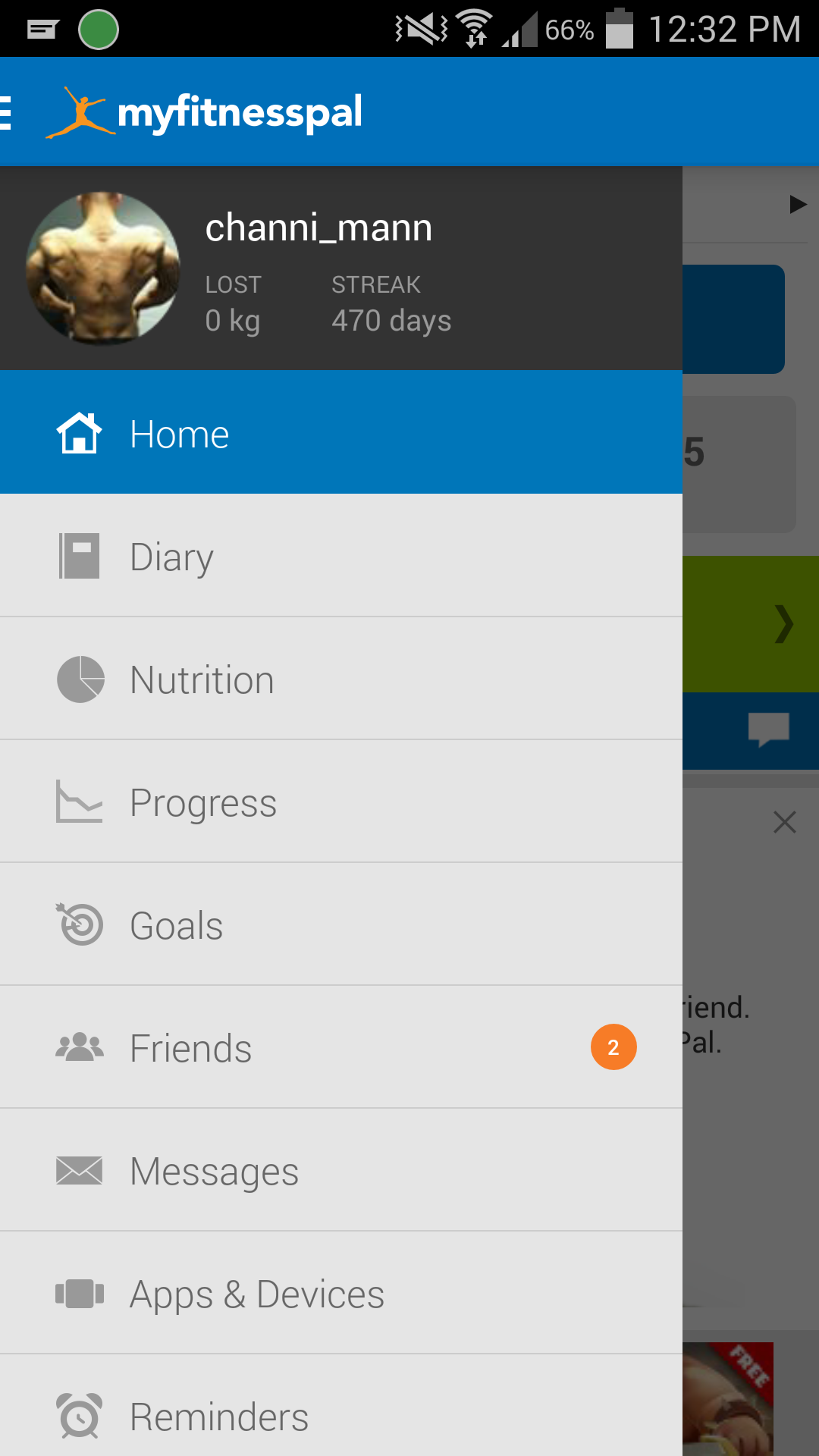
Most people who have done a bit of searching around the internet looking for a diet plan or have spoken to people around their gyms have already come across IIFYM. IIFYM has become increasingly popular amongst gym goers and general fitness enthusiasts. I myself came across this particular approach to helping me structure my diet over a year ago. In fact, since I started following this style of dieting I have managed to log my diet every single day consecutively on myfitnesspal for 470 days at the time of writing this. I’ve found it the easiest way to manage my diet and stay sane whilst reaching my training goals and in this article I'll explain the basics to approach this dieting method.

Screenshot_2014-08-10-12-32-24
A screen shot of myfitnesspal, a mobile app which I use to track my diet. A streak of 470 consecutive days of logging since becoming an IIFYM follower.

In this article I'm hoping to shed some light on what I believe to be a great way to dieting for any goals you have, be it fat loss or muscle gain. This approach eliminates boredom with food when dieting which can be a major obstacle to maintaining a dieting programme long enough to reach your goals. Often people become bored, fed up and stop their diet accepting failure. In some cases the repetitive eating routine with strict restrictions on what you can eat leads to short term compliance followed by an epic binge. I've been there before and I think most people who've tried sticking to a strict diet would say they've experienced something similar.

Since becoming a flexible dieter I find it so frustrating to hear people talk about how they're planning on eating clean and how they will avoid all "junk food". The first question that pops to my mind is how maintainable do you think this diet can be? I mean, how long do you realistically think you can go without eating a chocolate bar or having a takeaway meal. Forever? Even long enough to reach your target weight?Probably not. A diet must be maintainable for you to be able to see consistent results which will last. The key thing here being results which last.

Now, obviously for a bodybuilder or physique competitor there are periods of the year where you will be looking to gain weight and during this time period you're going to put on some fat while packing on some muscle. But even in the case of a bodybuilder who is looking to bulk up I think that flexible dieting habits help an individual reach their desired weight without adding on as much excess fat as they might have with a "dirty" bulk. Also for "clean" bulkers there are many benefits of using a flexible dieting approach for psychological reasons as well as physiological reasons. Apart from the obvious reason of increasing chances of compliance, eating too many foods that are typically labelled "clean" not only leads to boredom but also causes digestive issues. Sometimes you might be better off going for a pop tart rather than the oatmeal. Trust me!

So What is IIFYM?

To start off its important to understand that IIFYM is not a diet but rather a dieting philosophy.  IIFYM simply says that you can eat whatever you like as long as you reach your daily macro-nutrient goals, which are you goals for carbohydrates, fats and protein eaten in a day. It completely eliminates labelling foods clean and dirty and this makes sense since your body doesn't know how to distinguish between clean and dirty foods either. What defines a clean meal? You probably imagine a plate full of vegetables, maybe with some lean meat. So did I. I don't know why but we all have the same kind of image of what clean foods are but if you actually try to define a clean food you'll find it hard to come up with an unambiguous definition. After understanding that our bodies don't decide whether a food is clean or dirty before digesting it accordingly, but only look at the nutritional content of the food during digestion, I began my transition to becoming a flexible dieter.

Macros and Calories

If you hit the set macronutrient targets, you're reaching your calorie goals by default so there is no need to count calories. This is because 1 gram of carbohydrates and 1 gram of protein both contain 4 calories and 1 gram of fat contains 9 calories so if you were to set yourself a target of eating 200 grams of carbohydrates, 150 grams of protein and 70 grams of fat in a day that would equate to:

Calories from carbohydrates: 200x4 = 800
Calories from protein: 150x4 = 600
Calories from fat: 70x9 = 630
Total calories: 800+600+630=2030

Often people would find out how many calories are needed to eat to reach a certain body composition goal and then work the other way to find out how those calories are going to be split between the macro-nutrients. So you may decide that you are going to be eating 2400 calories to maintain your current bodyweight. Now you have to decide how to spilt those calories between the three macros, protein, carbs and fat.

You may come to the decision that you will need around roughly 1 gram of protein per lb of bodyweight to preserve lean tissue mass. If you weigh 200lbs that will mean you’re eating 200g of protein and allocating 800 (200 x 4) calories to protein intake per day. Now you have 1600 (2400 – 800) calories remaining to split between fats and carbohydrates. You could decide that you want to eat around 300 grams of carbohydrates a day to keep your energy levels to the desired level and to fuel your workouts. This would mean 1200 calories have been allocated to carbohydrate intake. This has left you with 400 (2400 – 800 – 1200) calories to consume in the form of fats. Recall that 1 gram of fat has 9 calories so you would simply need to eat 400/9 which is roughly 45g of fats to reach your daily calorie intake of 2400.


So what exactly can you eat?

clean-food-or-junk-food

Anything! Well kinda… That’s the most amazing part of this style of dieting. You can eat anything you want, AS LONG AS it fits your targets for the day. Now this automatically brings some conditions to what you can eat.

Because you have a set target of macro-nutrients for the day and this could rule out some foods immediately. For example if your daily macros allow you to eat 200 grams of carbs, an XL meat feast pizza is ruled out pretty much straight away. But can you eat a slice or two? Sure. So rather than having the food ruled out completely, you are simply controlling portion size. When you label a food dirty and ban it from your diet your craving for it increases. But with IIFYM you can accommodate it into your macros and eat it regularly.

I find that this is probably the most important factor that makes IIFYM so popular and the main reason why I have managed to get consistent results from my training in the time that I've been following this style of eating. When you stop labelling foods clean and dirty and realise that the food is just a composition of fats carbohydrate and protein it becomes a guilt free process to eat the foods you like while keeping on track to reach your goals. Also you don’t have to wait until a cheat day to eat that ice cream or that dessert you've been dreaming about for the past week. You just eat a small portion of it when you feel like it while making room for it in your macro allowance.

This diet also allows flexibility with eating out and going to restaurants for a meal as most places have nutritional information available and if they don't you can usually calculate a realistic estimate. Obviously these meals have to be planned out so that your daily macros make room for your meal which rules out last minute decisions to go for a feast when you have 40g of carbs and 15g of fat left in your allowance with just about enough protein for a chicken wing. But there is flexibility compared to dieting methods that completely rule out eating anything that hasn't been cooked in your own kitchen. You just have to plan ahead.

Some people find the aspect of fitting their meals into their allowance quite fun and rewarding in itself. You will often see flexible dieters posting pictures of ice cream, cheesecake and pop tarts showing off the flexibility of their diet. People look at this and assume that this is all they eat and they must be the lucky ones with good genetics or super fast metabolisms but its just that they've fully grasped the concept of flexible dieting. This is only a small proportion of their diet and the bulk of their diets are composed of what are typically labelled as clean food but its not as fun to post pictures of a bowl of oatmeal as it is to show off the chocolate chip cookie dough pop tart you just ate. I've heard people proudly say that they've managed to eat ice cream and 2 pop tarts while still having space for 100 grams of carbs and all this whilst hitting a healthy fibre goal. It's just a game of fitting in the fun stuff around your macro allowance.

Important Role of Fibre


Another important factor to consider when reaching your macro nutrient goals is that you need to keep an eye on fibre intake. Now apart from the obvious reason of making your visits to the toilet less of a mess and less of a pain, fibre also helps with satiety. Eating a certain amount of fibre in your diet is going to help you stay full for longer and stop hunger pangs that may be experienced with carbs that are lower in fibre or are more sugary. I usually aim to hit around 40 grams of fibre a day and at a minimum will have around 30 grams of fibre. A rule some people go by is to aim for 15g of fibre per 1000 calories consumed.

Having too much fibre in your diet can be a bad thing for digestive health. If your consuming a load of high fibre foods, which is often the case with "clean" eaters and even more so with "clean" bulkers, you can be eating more fibre than you need. Too much fibre can impair digestion and leave you feeling bloated. So for many people who have a high carbohydrate goal as part of their macros, it's recommended that they have some of their carbohydrates from low fibre foods which are usually higher in sugar. This does depend somewhat on your daily carb intake allowance which is why some people have a diet full of fun stuff which wouldn't typically be thought of as healthy but as long as they're within their macros and eating a sufficient amount of fibre there is nothing wrong. I think of fibre goals as important as my macro-nutrient goals so will track them with them just as closely.

Eating Sugar for all my carbs?
retrosweethamper2

A popular question that I’ve come across when talking to people about IIFYM is, can I eat all my carbs from sugary sources if I’ve hit my fibre goals. The idea being that once they reach their fibre goal they can have a load of poptarts or sweets to finish off their carb allowance. The answer I usually give is yes, but warn that it’s probably unlikely they’ll be able to get a whole load of sugar while staying within their carb limit for the day. For example, say you had a carb target of 200 grams for the day and say to reach your minimum fibre goal you needed to consume around 120g of carbs which are rich enough in fibre to meet your fibre goal. That leaves you with around 80g of sugary carbs you can eat which is still a fair amount but not the whole carb allowance can be blown away on sugar!

As explained earlier there will be some cases of people who will be able to eat a large amount of sugar while following the guidelines of IIFYM. This is often the case with people who have a large metabolic capacity, often built through cycles of careful dieting and training, (this will be discussed in depth in a future article). For example if someone needs to eat 500g of carbs a day for them to keep building muscle at a decent rate they will have to get a fairly large number of carbs from sugary sources without overdosing on fibre.

Does it matter which types of fats I eat?


Good-Fats-Vs-Bad-Fats

Another question is whether it is important to worry about the types of fats eaten. Can they all be in the form of saturated fats or should you be eating “healthier” fats such as polyunsaturated fats or monounsaturated fats.

The basic thing to understand is that the most important factor when it comes to deciding what you eat is total caloric intake which is determined by macro-nutrient intake. After this basic aspect of your diet has been perfected you can begin to worry about how the individual macro-nutrients are broken down but that is not something which needs to be over analysed. For the most part, if you are eating a varied diet you shouldn’t have to look into your diet in this much detail but it can be useful for someone who is looking to take their performance to a competitive level as these small details begin to give you the competitive edge. But for someone looking to just get in shape and improve general well-being through training and nutrition you need not worry about such minute details. 80% of your results come from 20% of your efforts – The Pareto Principle. Perfecting the small details will yield only the extra 20% of your total results and will take up around 80% of your efforts. It’s up to you whether you decide to make that effort.

How to Track Macros?
my-fitness-pal1

The easiest way to track macros is using an app on your smart phone. The one I use is called myfitnesspal and has a huge database of foods that have their nutritional value updated by users regularly. You can add your own food and update your diary according to meals and recipes that you regularly eat and there is a function that allows you to scan a barcode to register the food you eat.

The part some people find tricky is weighing their food. I always suggest people weigh their meat once cooked and everything else should be weighed before cooking. Food from packets which is ready to eat can be weighed straight out of the packet and the portion size can be logged on the app according to how much you eat. Obviously if you haven’t got a kitchen scale you will probably find one very useful as estimating usually leads to inaccurate portion sizes. (I'll probably make a separate article on tracking your macros as there are some parts that can take some getting used to and it is often a part where many of the people I've worked with have had trouble in the beginning).

Micronutrient Intake?
ALL-ABOUT-MICRONUTRIENTS-MINERALS

So having understood much about macro-nutrients, we should take a minute to understand what micro-nutrients are and how they play a role in your diet. Where macro-nutrients are counted or measured in grams, micro-nutrients are measured in milligrams (mg). As they are only needed by the body in small amounts they are referred to as micro-nutrients but this doesn’t reflect their importance in a diet. A deficiency in a micro-nutrient will soon catch up with someone trying to achieve their training goals and can lead to health complications in the long run. Examples of micro-nutrients include things such as iron, sodium, calcium, potassium and various vitamins which are important for many bodily functions to take place. A varied diet which consists of a decent amount of vegetables and fruit should be sufficient to cover the micro-nutrient requirements and there is no harm in taking a multivitamin supplement for safe measure. A common argument against the IIFYM approach to dieting is that it leads to a micro-nutrient deficiency. This argument stems from the belief that IIFYM is a diet full of fast foods which are processed and lack in micro-nutrients but this is not the way anyone who is hitting their macros would be eating given that they're consistently reaching their goals for carbs, fats and protein while keeping an eye on fibre intake.

Summing it up

As you’ve read through this you might have become increasingly unimpressed with IIFYM, from what seemed like a new way of dieting that allowed you to reach your goals while eating whatever you want to something that comes with more conditions than you can keep track of, let alone keeping track of your macros! But it doesn’t take long to get used to this style of dieting and it’s actually one which most people can consistently maintain. Consistency is probably the most important factor that makes IIFYM such a good dieting philosophy in my personal experience.

It goes without saying that everyone will respond differently to a diet and training routine and have a different rate of fat loss or muscle gain. But to assume that someone who is following flexible dieting is lucky through genetics or whatever other reason is quite an ignorant assumption to make and is one that is often made by people who are depressed with their strict way of eating and are seeing little to no results. I've been there before but having become a flexible dieter I can see how beneficial it is to being able to stay on track and enjoy the results through a consistent effort. I suggest that if you're struggling with your current diet give IIFYM a go and see how it works for you. Any diet is going to take a certain amount of effort and planning without the help of a personal dietitian but once you make that effort or learn how to track macros you'll be on your way to long term consistent results.

I can realistically see myself sticking to this way of dieting forever which I can't say with any other dieting method I've followed before. Tracking macros is something that you can get used to very quickly although it may seem difficult at first. Also, after some practice people are able to stick to a flexible dieting approach without having to log their macros as they become so used to knowing the macros of the foods they eat. Personally I think that its always a good idea to track macros as it only takes a few extra seconds and I'm quite forgetful so having everything logged on my phone makes sure that I don't lose track of my daily intake.

This should have covered the basics of how to use an IIFYM approach to your eating plan but there are probably loads of other questions that you're thinking of like, how to decide how much you eat, how often you need to eat and when to eat. These questions will be answered in the following articles.

If you found this article helpful please give feedback in comments! Please share!

www.channimann.blogspot.co.uk

Follow me on twitter for tweets
https://twitter.com/channi_mann

Follow me on instagram for a glimpse into parts of my life I feel I need to share, my instagrams become a vlog of me in the gym recently so you'll see quite a few short workout clips
http://instagram.com/channimann

Like my page on facebook for regular posts relating to all aspects of training and nutrition I feel worthy of sharing that may help you
https://www.facebook.com/pages/Channi-Mann/282160031968506

Saturday, 16 August 2014

Hello

So I’ve decided to start blogging to give people an insight into my thoughts on training and nutrition along with things that I’ve found that work for me. Having been training for around 10 years I think I’ve managed to gather enough knowledge and experience to help people in some way.
From my years of training the main thing that helped me outside the gym was reading and educating myself. The first 4/5 years in the gym I spent basing my workouts on random exercises mostly by copying people and doing what the bigger guys in the gym did. Throughout most of my early years in the gym I focused most of my time on upper body workouts making sure I did my bicep curls and bench presses while neglecting other important movements like the squats and deadlifts. It was only until around 2 years ago that I began deadlifting and squatting regularly and a decent training routine soon followed along with a consistent dieting philosophy. Prior to the last 2 years I spent much of my time experimenting with various diet and training routines and consider them a valuable part of my learning curve.
Having tried almost every routine imaginable and testing various diets along the way I feel that I’ve made most progress by taking a step back and making things simple. Understanding the science behind much of what I was trying to do while deciding which aspects of my training and nutrition were yielding the most returns and which aspects were soaking up the bulk of my efforts and hardly making a difference for me in reaching my goals was a huge factor in improving my progress.
I’ve always been interested in expanding my knowledge on training and nutrition and having read hundreds of articles, blogs and books over the years I think I can offer a lot of information to people and I think doing it through this blog is probably the most effective way. Hopefully through all the things I’ve learnt I can help explain things in my own way by using my experiences as examples and get into some interesting discussions about your experiences. Feel free to get involved through the comments, I’ll try to make regular entries as much as time allows me. I do spend a lot of my day in the gym taking selfies or in the kitchen experimenting with new recipes but I’ll try my best.
Hope you enjoy reading!

IMG_20140730_123354
Me trying to copy the iconic Frank Zane pose. Noticed we’ve got the same vein running through our lats. Coincidence? I think not!